Q: How long is the program?
The course lasts for three (3) months; this is the equivalent of one U.S. semester.
Q: Why is there tuition for the program?
Operating a program of this intensity and quality is expensive. While, we cannot cover all the costs affiliated with the program, covering some costs is inevitable. Participation in PH360 is an investment in one’s professional development. Tuition also helps to sustain the program and keep it for the future.
Q: How did you arrive at the cost of the program?
The full tuition for PH 360 should be equivalent to the average tuition for a three-credit non-degree graduate course in a major U.S. University which is about $1,995. GHEP does not want cost to prevent participation, therefore, cost of participation has been significantly reduced to $850 which is less than half of the full cost.
Q: How many days per week does the program meet?
The program meets once per week for live interactive sessions. There are at least three (3) virtual community public health events that fellows are required to attend to gain hands-on experience. Participants who reside near GHEP offices may participate in-person at these public health events, if they choose to do so. Prior notification is provided for these days upon enrolment.
Q: How many hours should I plan to invest in the program?
Fellows should plan to invest at least 3 hours per week.
Q: I heard that there are scholarships for the program. How does that work?
To ensure equity, all applicants to the program will receive some form of scholarship unless they are funded and/or choose not to compete for the available scholarships.
Q: Does the program allow for part-payment?
Yes, PH 360 allows for a maximum of three part-payments. When choosing part-payment, fellows will cover the cost of processing charges.
Q: I am employed full-time, can I still participate in the program?
Yes, individuals employed full or part-time can participate in PH 360. The program is held in the evenings. Faculty and staff are active public health practitioners and thus have day jobs. An evening schedule allows everyone to participate with minimum disruption to professional and personal lives.
Q: Is PH 360 focused on any aspect of public health such as epidemiology, social and Behavioral studies, etc?
PH 360 has been designed to comply with the Council on Education for Public Health (CEPH) competencies for public health. CEPH is an independent agency recognized by the U.S. Department of Education to accredit schools of public health, and public health programs outside schools of public health.
Q: How do I know that the program is worth it?
Upon successful participation and completion of the program, we are confident that you will be ready to enter into an entry-level position in public health. If you are already in public health, we are confident that you will see a significant improvement in your practice and be ready to take on new or higher responsibilities upon completion of the program.
Q: Who are the leaders of the program?
The leaders of this program are professionals from diverse disciplines whose passion is to eliminate health and education disparity in our communities by training students with interest in public health. See the website for more information on our leaders.
Q: I heard that students design a public health program, what does that mean?
PH 360 provides fellows with hands-on-practical experience on how to design public health programs that can reduce a particular public health disparity which they are experiencing in their community or country.
Q: I do not have a LinkedIn professional profile; will I get help to set one up?
PH 360 faculty and staff will guide you in building your LinkedIn profile or upgrading your existing LinkedIn profile to professional standard to make your profile stand out and more attractive to recruiters or potential employers.
Q: I am an undergraduate student in a non-public health major. Will this program work for me?
Students in our program are from diverse science and art disciplines who are interested in public health or want to make a transition to the field of public health, or who want to obtain cutting-edge public health skill sets.
Q: I am not based in the US, can I participate?
Yes, students from all over the world can participate because this fellowship program is an online training program.
Q: Do you have experience working with students from outside to the United States?
Yes, PH360 alumni includes fellows from different countries, including the USA, Myanmar, Nigeria, Ethiopia, India, etc. Access to the internet is required to participate in the program.
Q: What are some of the activities/projects the program offers?
A: The activities/projects we have to offer are:
- Conducting Systematic Reviews
- Conceptualization and writing of grant proposals
- Interview and resume preparations
- Use of social media in public health communication
- Journal article peer-reviews
- Participating in Q&A panels with public health hiring managers.
Q: What is the schedule for the program?
A: For the program, we host weekly meetings and assignments are due bi-weekly. We also observe all major US federal public holidays.
Q: Can I get my research project published?
A: Yes. Every student has an opportunity to get their research published through GHEP journals. Publications need not be completed during the program.
Q: How long is the application process?
A: The application is a 2-week-long process. First, we host our open house to discuss the program with prospective students. After the open house, applications are reviewed, and admission letters are sent to successful candidates.
Q: Is it possible to continue to work with the organization after the program is over?
A: Yes, there is a possibility to work with the organizations after the program is over. We have many opportunities for students to work in the organizations as volunteers and supporters.
See George Washington University, https://studentaccounts.gwu.edu/graduate-tuition
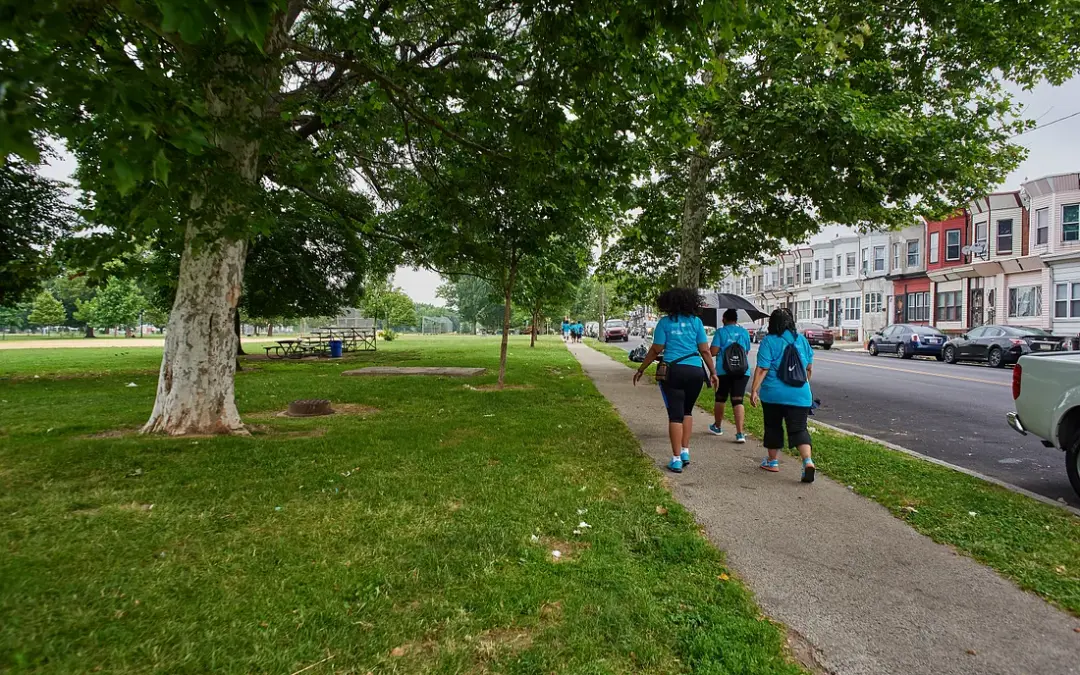
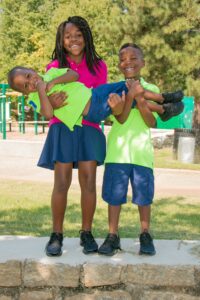 At GHEP, we are dedicated to addressing the social determinants of health and human development in order to eliminate disparities in health and education, one of which is safe neighborhoods and affordable housing. By investing in trees for your neighborhood and your communities, you know that you are not only beautifying your neighborhood, but you are doing your part in making your home safe! Do not wait; free trees are available through the Family Tree Adoption Program, which can be accessed at https://globalhealthprojects.org/tree-reservation/