by Kanisha Blake | Feb 24, 2020 | Blog
Each day, I found it fascinating on what our brains are capable of, such as controlling our thoughts, memory, organ functions, and speech. As we get older, we start to notice developmental disorders that are caused by the environment. I searched up some articles about brain development and I came across this article that discusses how the environment affects brain development. It was written by researchers from NIH and it got me reading to the end. I thought you’d enjoy learning about it.
The environment can develop numerous different disorders in a person, such as Autism Spectrum Disorder (ASD) and Attention Deficit Hyperactivity Disorder (ADHD). Autism is a neurodevelopmental disorder that affects children at an early age. It affects every 1 in every 110 American children and there is no cure. ADHD can cause a person to lose concentration or control of their behavior. There is an approximately 4.5 million children from ages 3 to 17 years old with ADHD. There is an ongoing research that shows the correlation between pesticide and ADHD, while other research has shown how diet can develop neurotoxic developmental effects. Another ongoing research is by in-house researchers at the National Toxicology Program who are developing a comprehensive test to identify the short and long term effects of early exposure to environmental chemicals, and the impact these chemicals have on adolescent’s behavior. This is necessary to conduct research on because it can help discover different solutions to this problem, so children or adolescents would not experience developmental brain disorders that are impacted by the environment. I continue to wonder how we all as members of the public can become aware of some of these environmental risk factors, and work hard to avoid them.
For more information I personally encourage you to take a look at what we are doing at the Health, Environmental Education and Awareness (HEEA) program. At the HEEA day, we educate members of our community on the relationship between the environment and public health. Experts share nuggets of life-saving health and environment information in a joyful and entertaining atmosphere.
I can tell you that human health is truly complex. But there is hope. Obtaining and empowering ourselves with the latest information and research on different health conditions is important for protecting your health. There are a lot of valuable information published by health care providers, researchers and other experts from around the world. You can read free and updated information on health issues affecting mothers, women, children and families and other health issues such as HIV/AIDS on our website at the International Journal of Maternal and Child Health and HIV/AIDS. You can also read other interesting articles online on public health, medical research, and how research is changing our lives at IJTRansmed.
Useful links:
www.niehs.nih.gov.
www.globalhealthprojects.org/programs/environment/heea-program/
*At the time of writing, Ms. Kanisha Blake, MPH (Epidemiology) was a public health intern at the Global Health and Education Projects, Washington, DC, USA, under the mentorship and supervision of Dr. Romuladus E. Azuine.
by Jesse Harris | Feb 19, 2020 | Blog
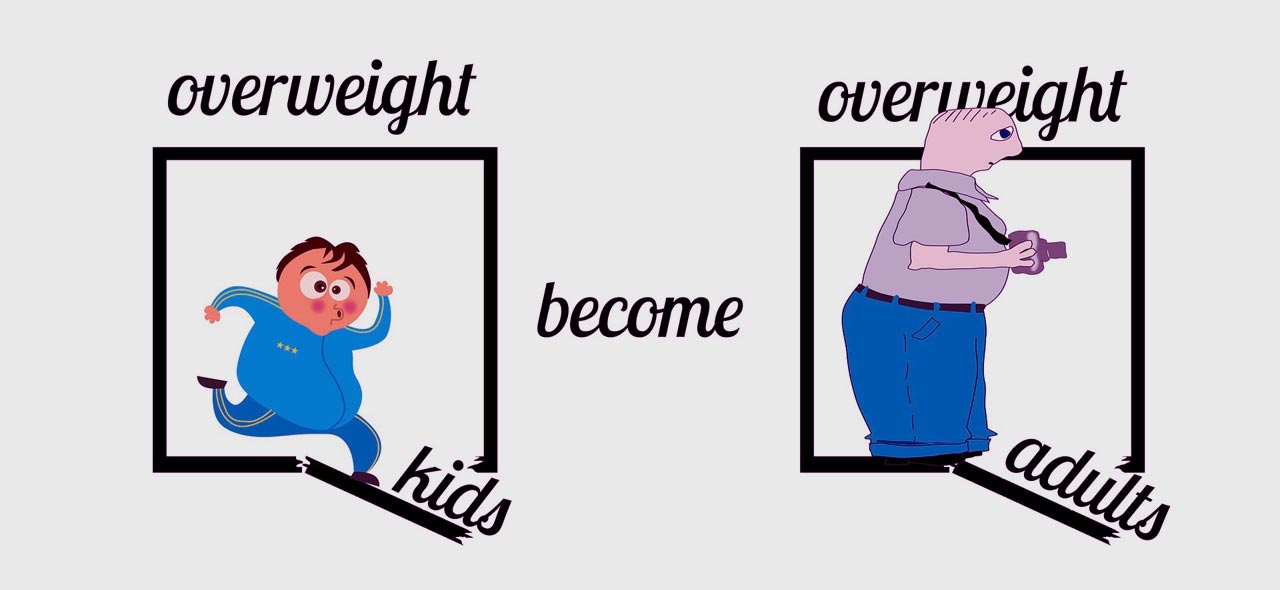
Childhood obesity has gradually become a public health crisis over the last four decades. In the US alone, there has been a 4-fold increase in childhood obesity from 1975 to 2016, according to some studies. Research shows that childhood obesity leads to numerous health problems later in life, such as, increased risk of diabetes, liver disease, and high blood pressure. With increases in childhood obesity seen across the US, researchers are working to understand the causes of this condition. Understanding the causes is important in order to try to find solutions and give children an optimal life.
A new study published in the International Journal of Maternal and Child Health and AIDS looked at 2016-2017 data from the National Survey of Children’s Health (NSCH) to analyze the social determinants of childhood obesity. Using these data that are representative of all children in the country, researchers compared obesity levels among children across the US. They identified characteristics that changed the rates of children becoming overweight or obese. They considered many factors such as sex, race, family structure, education of the parents, and features of the neighborhood.
Of the over 30 million children surveyed, experts found that 31% were either overweight or obese. The chance of obesity was higher for non-Hispanic Black and Hispanic children, as well as children from single parent households. Some factors that protect children from obesity are having health insurance and parents having a college education.
Other highlights from the study include:
- The overall levels of children that are overweight or obese continues to be worrisome; however, increases in overweight and obesity have leveled-out over the last decade. Rates of overweight and obesity found in this study were similar to those reported in 2007;
- Female children appear to be less likely to become obese. While this agrees with some prior research, this has been a topic with conflicting results. Surprisingly, poverty was not found to be correlated with children becoming overweight or obese, contradicting previous findings in similar studies;
- Parents play an important role in childhood obesity. This was the first study to address the nativity of the parents (i.e. whether they are native or an immigrant) and the ability of parents to cope with the day-to-day demands of parenting; and
- More work is necessary to further understand the social determinants of health, both in the US and across the world. Research in this area have implications for many aspects of public health, including public policy, and funding.
You can read more about the new study here.
For more information, I encourage you to take a look at what we are doing at the Health, Environmental Education and Awareness (HEEA) program. At the HEEA day, we educate members of our community on the relationship between the environment and public health. Experts share nuggets of life-saving health and environment information in a joyful and entertaining atmosphere.
I can tell you that human health is truly complex. But there is hope. Obtaining and empowering ourselves with the latest information and research on different health conditions is important for protecting your health. There are a lot of valuable information published by health care providers, researchers and other experts from around the world. You can read free and updated information on health issues affecting mothers, women, children and families and other health issues at the International Journal of Translational Medical Research and Public Health. On this site, you can also read other interesting articles on public health, medical research, and how research is changing our lives all online and at no cost to you.
Sources: Singh et al., 2007; Kumar et al., 2017; Ogden et al., 2012; Singh et al., 2010
*Jesse Harris, MSc, MASc (Chemistry & Chemical Engineering), a scientist, educator, and leader based in Espanola, Ontario, Canada, volunteers for the Global Health and Education Projects, Inc., Washington, DC, USA., working in collaboration with Dr. Romuladus Azuine

by Kanisha Blake | Feb 10, 2020 | Blog
Growing up as a child in urban area in Maryland, I would often see many children my age experience asthma and the agony that comes with it. Personally, I do not have asthma, so I do not know first-hand how it feels to wake up in the middle of the night with an asthma attack that causes the muscles around the airways to tighten up. While browsing through the internet, I found an article that was published by experts at the National Institutes of Health (NIH) here in the United States on asthma and how it is associated with the environment. I thought I should share here because I believe that this would help me and others that do not have asthma understand asthma and what people that do have the disease go through on a daily basis.
Asthma is a disease that impacts the lungs. The symptoms can include coughing, chest tightness, breathing problems, and wheezing. People with asthma can experience the muscle around their airways tighten up and the symptoms can get worse. Asthma is considered a chronic disorder in childhood. It affects about 40 million people. With good information and management, people with asthma can live healthy lives. But they need to know the triggers and try to avoid those triggers to the best of their abilities.
Having asthma running in the family can increase the chance of a child developing asthma. Different substances in the environment can activate asthma. These substances include dogs, cats, molds, fungi, dust mites, and cockroaches. The National Survey of Lead Hazard and Allergens reported 46 percent of homes contain dust mites that can cause an allergic reaction and 25 percent of homes had high levels of allergen levels that can cause an asthma attack to occur. Learning about asthma can increase the awareness to others on how to create symptom-free days for people with asthma. This can also allow researchers to develop methods or techniques on how to eliminate this issues that are affecting many children.
For more information, I encourage you to take a look at what we are doing at the Health, Environmental Education and Awareness (HEEA) program. At the HEEA day, we educate members of our community on the relationship between the environment and public health. Experts share nuggets of life-saving health and environment information in a joyful and entertaining atmosphere.
I can tell you that human health is truly complex. But there is hope. Obtaining and empowering ourselves with the latest information and research on different health conditions is important for protecting your health. There are a lot of valuable information published by health care providers, researchers and other experts from around the world. You can read free and updated information on health issues affecting mothers, women, children and families and other health issues at the International Journal of Maternal and Child Health and HIV/AIDS. You can also read other interesting articles on public health, medical research, and how research is changing our lives at our online public health publication called IJTRansmed.
Useful links:
www.niehs.nih.gov
www.globalhealthprojects.org/programs/environment/heea-program/
*At the time of writing, Ms. Kanisha Blake, MPH (Epidemiology) was a public health intern at the Global Health and Education Projects, Washington, DC, USA, under the mentorship and supervision of Dr. Romuladus E. Azuine.

by Kanisha Blake | Aug 18, 2019 | Blog
Like most of us, you wake up in the morning, you feel fully energized and refreshed, but then you start to realize not everyone gets to feel like this. Imagine waking up each day feeling fatigued and pain throughout your body. Well a lot of people that have autoimmune disease goes through these symptoms every day. As I was scrolling through the internet about theses illness, I saw an interesting article from the National Institute of Environmental Health about the association of autoimmune disease and the environment that I would like to share with you guys.
The environment can have an impact on autoimmune diseases. Autoimmune diseases are when the immune system is not functioning properly by causing antibodies in the body to attack healthy cells, tissues, and organs. It can impact any parts of the body and there are more than 32 million people that have an autoimmune disease. The autoimmune antibodies can start to form years before the symptoms of autoimmune disease appear. Autoimmune disease can develop through the sunlight and low socioeconomic status.
As I was reading, I saw that the author mentioned the environmental triggers that can initiate autoimmune disease. Some of the triggers include exposure to paint thinners, cleaning supplies, and nail polish. Another trigger is exposure to fine particles of crystalline silica and eating gluten. After reading this article, I realized that this topic is important and there should be more research to be done on this issue. Identifying solutions to this problem can help people not experience the symptoms of autoimmune disease and live a healthier life.
You can learn more about your health and how you can protect and improve your health. For more information, take a look at what the Global Health and Education Projects (GHEP) and volunteers are doing at the Health, Environmental Education and Awareness (HEEA) program. At the HEEA day, we educate members of our community on the relationship between the environment and public health. Experts share nuggets of life-saving health and environment information in a joyful and entertaining atmosphere.
I can tell you that human health is truly complex. But there is hope. Obtaining and empowering ourselves with the latest information and research on different health conditions is important for protecting your health. There are a lot of valuable information published by health care providers, researchers and other experts from around the world. You can read free and updated information on health issues affecting mothers, women, children and families and other health issues such as HIV/AIDS at GHEP’s global health journal on maternal and child health and aids. You can also read other interesting articles on public health, medical research, and how research is changing our lives at the journal of translational medical research and public health known as IJTRansmed. Finally, you can also write and share your comments on any health issue that you’d like to share. You never know who might be saved by reading that little piece of information that you write.
By: Kanisha Blake, BS, MPH (C). Ms. Blake is a Master of Public Health candidate at Liberty University, Lynchburg, VA with a concentration in Epidemiology. She completed her undergraduate degree in Biology at Wesley College, Delaware. She is an intern with the Global Health and Education Projects Inc. (GHEP) where she works closely with GHEP leadership in the planning, implementation, and evaluation of public health programs, participates in supervised research, manages social media, and writes impactful blogs on public health issues.
by Kanisha Blake | Aug 18, 2019 | Blog
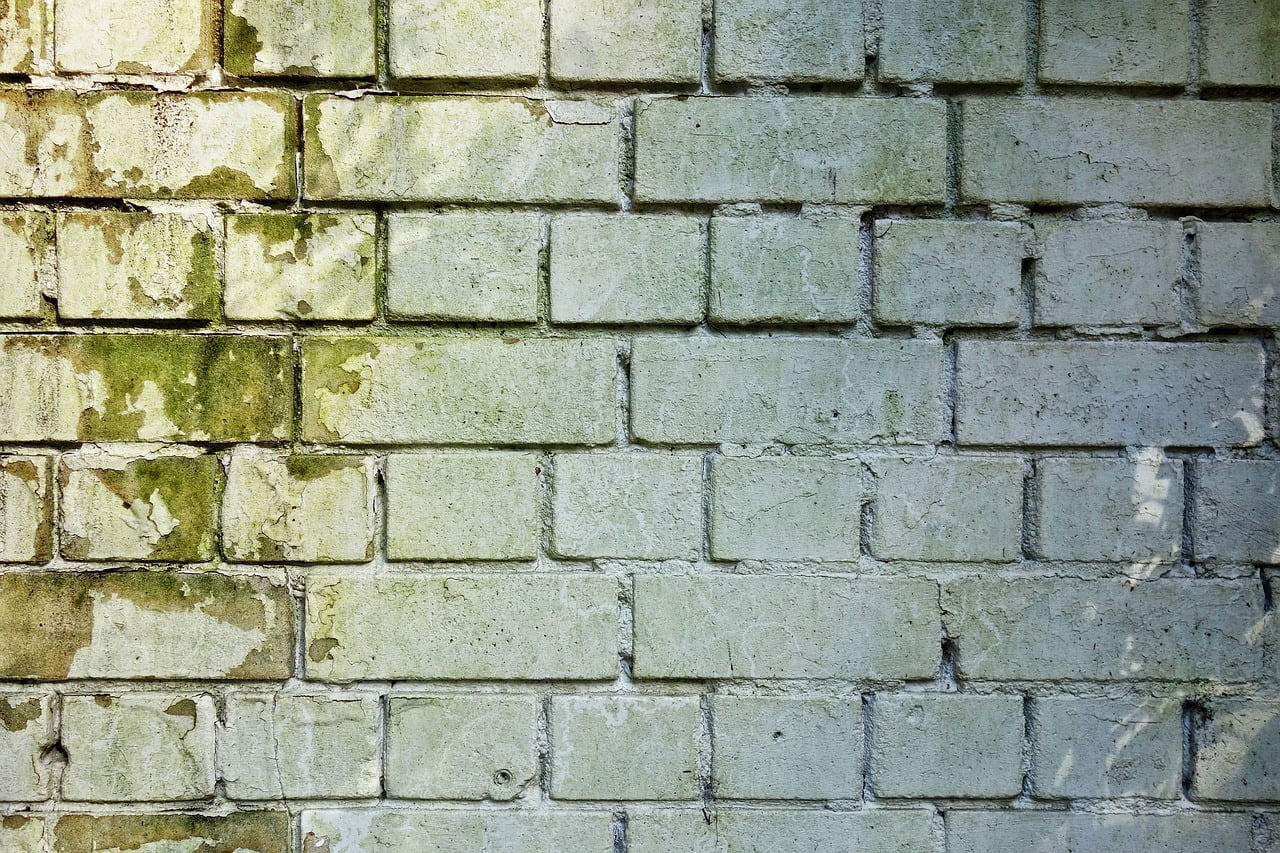
Have you ever walked in your home or school and realized that there was mold on the walls? I don’t know about you guys but the last thing I want to deal with after coming home from a long day of work or school is mold. Recently, I read this interesting article on mold published by researchers at the National Institute of Health (our research agency) on mold. Although I am a public health professional, I learned a lot from this article that I thought it would be a great insight for you guys to know. So I am sharing my reflections from that article.
Mold is a fungus that spreads through damp areas. Actually, there are different types of mold that can be both harmful and not harmful. Many people can inhale mold at school, work, or at their home. Inhalation is the main source of way that people can get exposed and there are many health effects that are caused by the inhalation of mold. People that had respiratory illness prior to getting exposed are most likely to experience adverse effects from mold.
The geographic distribution of mold exposure is different for each country. In the United States, the percentage of the population that has been affected by mold is 24% and 38% in Canada. For cold climate, mold has affected between 5%- 10% of the population. For environments that have a warm climate, 10% through 60% of the population has been affected by mold. People that are allergic to mold can experience symptoms of sneezing and wheezing. However, people that are not allergic can experience, eye irritation, congestion, skin rash, sore throat, and headaches.
People that are in damp and moldy buildings can have an increased risk of respiratory symptoms, infections, and shortness of breath. Towards the end of the article, it mentioned what the National Toxicology Program is working to help with this issue. Some of the future works include, designing methods that can accurately detect the levels of fungal products in floor dust samples taken from water damaged buildings. Another future work is distinguishing the different types of fungi in homes. The sampling involved are measuring temperature, air circulation, humidity, and carbon dioxide.
In summary, I can say that mold is a serious issue that can cause a variety of symptoms and death. It is important that public health officials continue with the efforts of limiting and preventing molds from growing, which can help control and eliminate people from getting sick.
You can learn more about your health and how you can protect and improve your health. For more information, take a look at what the Global Health and Education Projects (GHEP) and volunteers are doing at the Health, Environmental Education and Awareness (HEEA) program. At the HEEA day, we educate members of our community on the relationship between the environment and public health. Experts share nuggets of life-saving health and environment information in a joyful and entertaining atmosphere.
I can tell you that human health is truly complex. But there is hope. Obtaining and empowering ourselves with the latest information and research on different health conditions is important for protecting your health. There are a lot of valuable information published by health care providers, researchers and other experts from around the world. You can read free and updated information on health issues affecting mothers, women, children and families and other health issues such as HIV/AIDS at GHEP’s global health journal on maternal and child health and aids. You can also read other interesting articles on public health, medical research, and how research is changing our lives at the journal of translational medical research and public health known as IJTRansmed. Finally, you can also write and share your comments on any health issue that you’d like to share. You never know who might be saved by reading that little piece of information that you write.
By: Kanisha Blake, BS, MPH (C). Ms. Blake is a Master of Public Health candidate at Liberty University, Lynchburg, VA with a concentration in Epidemiology. She completed her undergraduate degree in Biology at Wesley College, Delaware. She is an intern with the Global Health and Education Projects Inc. (GHEP) where she works closely with GHEP leadership in the planning, implementation, and evaluation of public health programs, participates in supervised research, manages social media, and writes impactful blogs on public health issues.

by Neha Ramjuttun | Aug 18, 2019 | Blog
In the last 48 hours or so, it is possible that one of the public health topics you may have heard about in the media is HPV–the Human Papillomavirus. However, public knowledge of this dangerous vaccine remains very thin. So, in this article, I will try to answer the following questions: what is HPV; what are the U.S. statistics like; and how can you prevent getting HPV?
HPV is a common viral infection. More than 100 types of HPV exist and its mode of transmission is mostly sexually but not always. It can also be transmitted through a cut/tear in the skin.
Data from U.S. Centers for Disease Control and Prevention (CDC) show that during 2011 to 2014, 7.3 percent of adults (18-69 years old) were diagnosed with oral HPV whereas a 4 percent had high risk HPV. During 2013 to 2014, 45.2 percent men (18-59 years old) had a strain of genital HPV and women had a rate of 39.9 percent. In the same years, high-risk genital HPV rate was 25.1 percent in men and 20.4 percent in women.
A person who encounters HPV may get any type of wart such as genital wart, plantar wart, flat wart and common wart. Some strains of HPV such as HPV 16 and 18 cause cancer.
Plantar warts can be prevented by wearing sandals in public pools, washrooms and locker rooms. It is very important for you to get vaccinated; to get screened; and to use proper contraception in order to protect you from cervical cancer. According to clinical guidelines, boys and girls should receive two doses of HPV vaccine between the age of 9 and 14. This vaccine should be ideally given before being sexually active.
There are catch-up vaccines for those who were not vaccinated when they were young. The catch-up vaccines are recommended for women through age 26 and for men up to the age of 21. The current guidelines for screening are the following:
For women between 21-29 years old: Pap smear is recommended every 3 years.
Women between 30-65 years old have 3 options:
1) Pap smear every 3 years;
2) Pap smear with HPV test every 5 years; or
3) HPV test alone every 5 years.
The treatment of HPV vaccine varies. Conservative treatments include salicylic acid, trichloroacetic acid, imiquimod and podofilox. Non-conservative methods of treatment include surgery, cryotherapy and electrocautery. So, it is essential to take precautions – get vaccinated and get screened at the right time. Also, use proper contraception when required.
You can learn more about your health and how you can protect and improve your health. For more information, take a look at what the Global Health and Education Projects (GHEP) and volunteers are doing at the Health, Environmental Education and Awareness (HEEA) program. At the HEEA day, we educate members of our community on the relationship between the environment and public health. Experts share nuggets of life-saving health and environment information in a joyful and entertaining atmosphere.
I can tell you that human health is truly complex. But there is hope. Obtaining and empowering ourselves with the latest information and research on different health conditions is important for protecting your health. There are a lot of valuable information published by health care providers, researchers and other experts from around the world. You can read free and updated information on health issues affecting mothers, women, children and families and other health issues such as HIV/AIDS at GHEP’s global health journal on maternal and child health and aids. You can also read other interesting articles on public health, medical research, and how research is changing our lives at the journal of translational medical research and public health known as IJTRansmed. Finally, you can also write and share your comments on any health issue that you’d like to share. You never know who might be saved by reading that little piece of information that you write.
By: Neha Shah Ramjuttun, MBBS, Adv. PG Dipl GMCH, MPH (C). Dr. Ramjuttun is a candidate in Master of Public Health at the University of Newcastle, Australia. She completed her medical degree from Xi’an Jiaotong University, China and is a registered MD in Mauritius. She holds an Advanced PG Diploma in Global Maternal and Child Health from James Lind Institute in New York. She is an Editorial Assistant with the Global Health and Education Projects Inc (GHEP) where she works closely with the Editors of the International Journal of MCH and AIDS (IJMA) and the International Journal of Translational Medical Research and Public Health (IJTMRPH) and writes blogs for GHEP and its affiliates.